From Mixing Boards to Watch Cases
I've spent thirty years in a career where time is of the essence — mixing is a business of milliseconds, live broadcasts that don't get a second take, a Broadway cue that either lands on the beat or doesn't. You learn to respect time in a very literal, physical way. So maybe it's not strange at all that the thing I built next is something people strap to their wrist to keep track of it.
I took apart my parents' stereo when I was 8 because I wanted to know how it actually worked. That question turned into a career as a mix engineer: over 4,000 songs, live network television, five Emmy Awards, and thirty years at the console. None of that happens without real technical mastery: knowing the gear cold, understanding signal flow well enough that it becomes instinct, being able to solve a problem in the two seconds you actually have before a live mix goes out to millions of people.
I didn't even own a watch two years ago. I got into them about a year before a trip back to Italy to visit family. I started trying to build my own three months before that trip — sketching, researching movements, figuring out what I'd want if nobody else was going to make it. The trip is what turned it into something else entirely. Standing in Rionero and Vieste, my grandparents' actual hometowns, not names off a map, I knew this couldn't just stay a hobby. I move fast — I came home with a brand, not a side project.
But the technical side was never the whole job. The best note I ever got early on was that my role was to get out of the way — to capture the raw emotion and energy that makes a song connect, not impose something of my own on top of it. That's a creative skill, not a technical one. Knowing when to be invisible is harder than knowing which knob to turn.
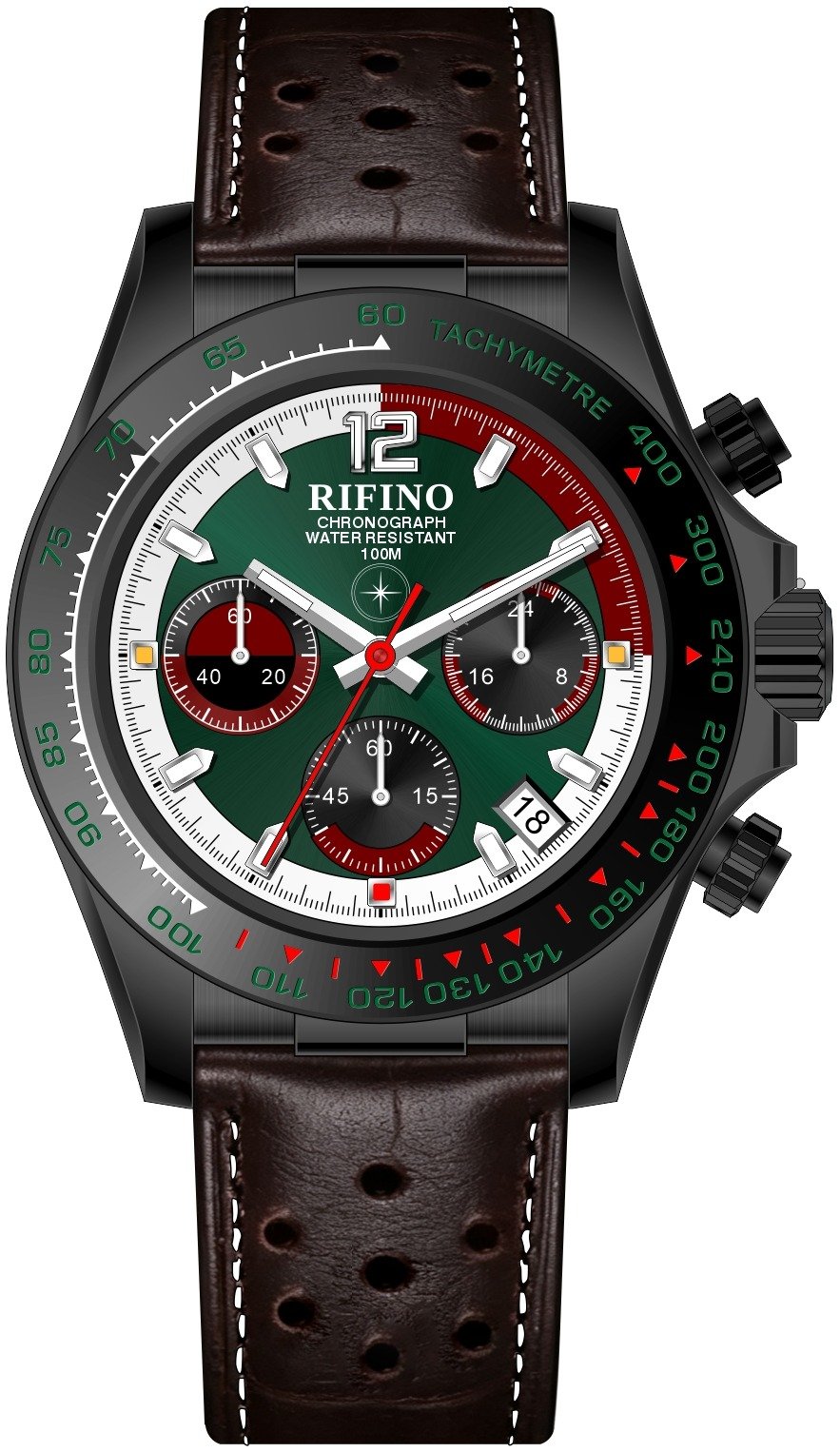
Watch building asks for both of those same muscles. The technical side is obvious — tolerances, movement choice, case construction, the things that have to be exactly right or the watch just doesn't work. But there's a creative decision behind every one of those choices too: which movement earns its place in which watch, which details are honest and which are just noise, what a watch should say about the place it's named for instead of just how it should look in a photo. Thirty years of mastering both the technical and creative sides of the same craft is exactly what it takes to get that balance right — and it's exactly what's going into every watch I build.
— Matt
Read the full founder's story →
Get the next build update first.
48 hours of first access before the public. 100 watches per model.